Everything you need to know about FMTTI testing for farm machinery.
AgPro Consulting guides manufacturers, dealers and buyers through FMTTI (Farm Machinery Training and Testing Institute) testing, certification and compliance — all 4 institutes, every machine category, the full process. We guide it; FMTTI’s own engineers conduct the test.
What actually decides how smoothly this goes
Not generic advice. These are the specific things we work through with every client, each traced to the Ministry's own circulars, the institutes' published documents, or their own records.
There are 42 approved testing bodies. Picking yours is the first decision.
Alongside the 4 FMTTIs, 38 State Agricultural Universities, ICAR institutes and state departments are officially approved — and CFMTTI Budni holds the national mandate for tractor type-approval specifically. The right one depends on your machine and the scheme you're targeting.
How we help: We confirm the correct institute for your exact machine and target scheme before you apply.
The document checklist runs to 13 items, and the copy counts are part of it.
Three sets of the application, the technical specification and the IS 13539 performance declaration; three each of the operator, service and parts manuals; photographs, drawings, fast-moving parts, and — for power tillers — valid CMVR and engine emission certificates. Applications are expected to arrive complete.
How we help: We assemble and check the full set against the current checklist before anything is submitted.
The full test fee is due with the application, not after.
Since a 2013 Ministry order aimed at bringing waiting times down, institutes charge the full fee at the point the initial application is received, with the documents alongside it. It keeps the queue moving for everyone in it, and it means your filing needs to be ready in one go.
How we help: We get the fee, the receipt and the paperwork lined up so your application lands complete first time.
Institutes work through real volume, and it varies by year.
SRFMTTI alone has released 1,977 test reports since 1989-90, running between 96 and 250 a year since 2016-17 — a record 250 in 2024-25. That's the scale you're planning against, and it moves year to year.
How we help: We give you a timeline based on the current picture at your target institute, not a generic figure.
Your comments on the Draft Test Report are printed in the final one.
When testing finishes, a Draft Test Report comes to you for comment — 15 days for applicants in India. What you write is published in the released report and stays there for its full validity, so it's worth drafting properly.
How we help: We track your file, flag the moment it arrives, and help you write a response worth printing.
A category on the general fee schedule isn't always the figure that applies.
The Ministry publishes a general per-category schedule, and some machines are also governed by their own dedicated circular. Power tillers are the clearest example: SRFMTTI's signed rate for a full Initial Commercial Test is ₹4,07,478, against ₹1,21,961 on the general line. Both are real figures for different things.
How we help: We identify which schedule and circular actually govern your machine before you budget.
Report validity runs 3 to 7 years, depending on the category.
Tractors and power tillers are the shortest at 3 years for an Initial Commercial Test, then 5 for a batch test; most implement categories run to 7. Knowing which applies to you makes renewal something you plan rather than discover.
How we help: We track the validity rule for your machine so renewals never arrive as a surprise.
The 4 FMTTI institutes
One government network, four regional institutes — the complete directory lives in the FMTTI Hub.
CFMTTI
Budni, Sehore district, Madhya Pradesh · est. 1955 · All-India + national tractor type-approval/homologation mandate
NRFMTTI
Hisar, Haryana · est. 1963 · Northern region
SRFMTTI
Garladinne, Anantapur district, Andhra Pradesh · est. 1983 · Southern region
NERFMTTI
Biswanath Chariali, Assam · est. 1990 · North-Eastern region
FMTTI testing guides by machine
A dedicated, verified FMTTI testing resource for every category of farm machinery.
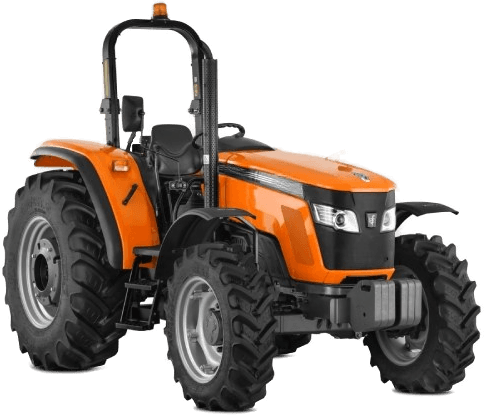
Tractors
Tractor type-approval is CFMTTI Budni's unique national mandate — the Director of CFMTTI Budni is recognised as the Testing Authority for the whole country under CMVR Rule 126.
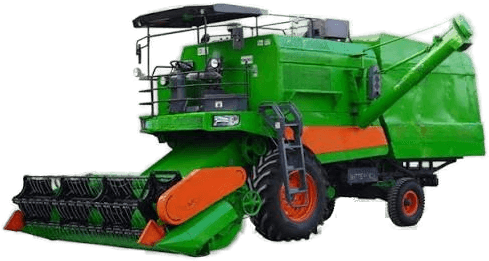
Combine Harvesters
FMTTI institutes test combine harvesters and other self-propelled machines for real-world field performance, not just component specifications.
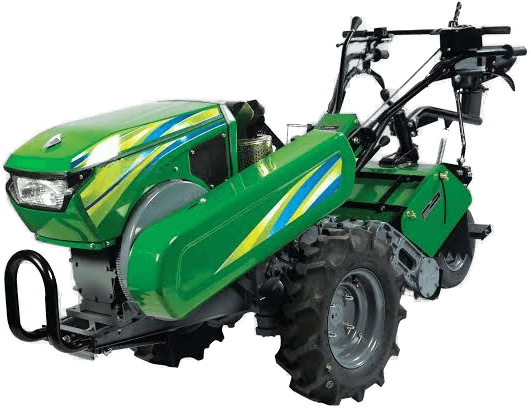
Power Tillers
Power tiller testing runs against FMTTI's own Consolidated Guidelines for Testing of Power Tillers — a dedicated, published test procedure.
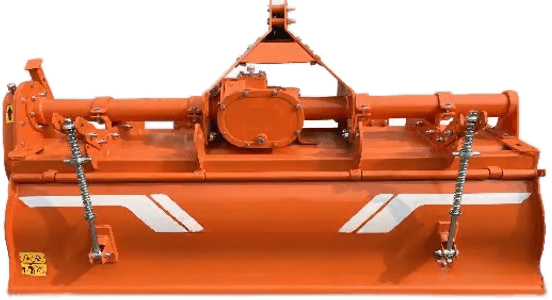
Rotavators & Cultivators
Tractor-drawn implements like rotavators, cultivators, harrows and ploughs have their own dedicated line in FMTTI's official testing-charge schedule.
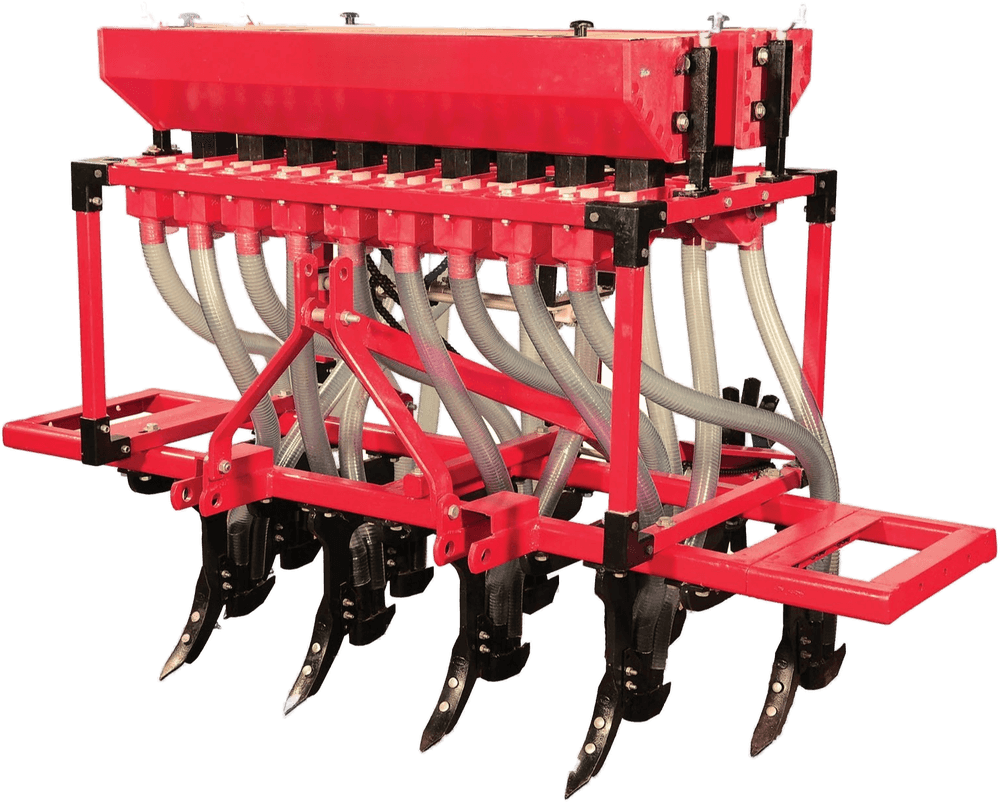
Seed-cum-Fertilizer Drills
Precision seeding and fertilizer-placement equipment is tested for metering accuracy — a category FMTTI groups with planters, seed cleaners and land levellers.
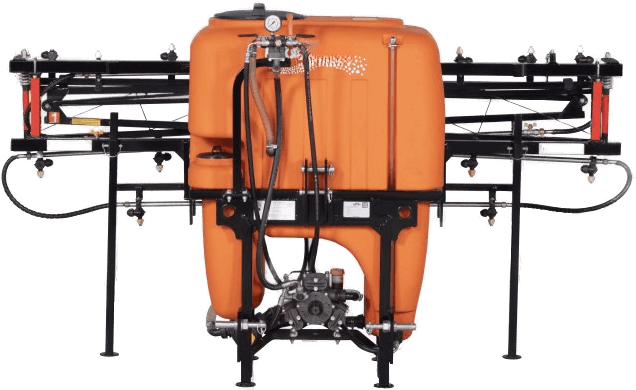
Sprayers
Manual, battery-operated and power-operated plant-protection equipment each have their own line in FMTTI's testing-charge schedule.

Power Weeders
Both center-rotary and back-rotary power weeders are tested under FMTTI's self-propelled, walk-behind category — there's no separate fee line or test regime for the two configurations.
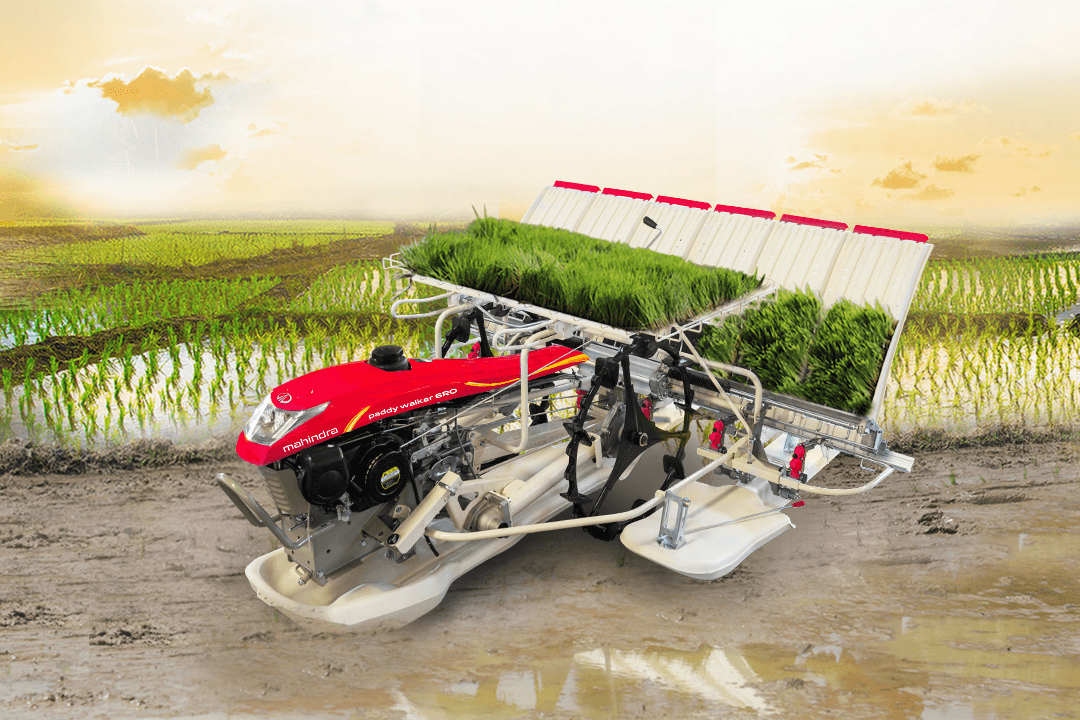
Paddy Transplanters
Paddy transplanters have a purpose-written BIS test code, IS 18718:2024, and sit at the joint-highest fee line in the FMTTI schedule.
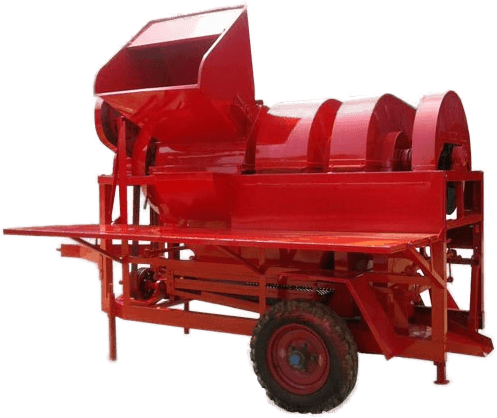
Threshers
Power-operated threshers have their own line in the official testing-charge schedule, with a separate, higher rate for multi-crop machines handling two or more crops.
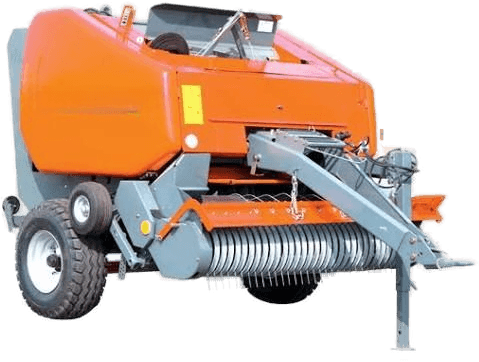
Balers
Balers share a testing-charge line with seed drills, straw reapers and laser land levellers — one of the higher implement rates in the official schedule.
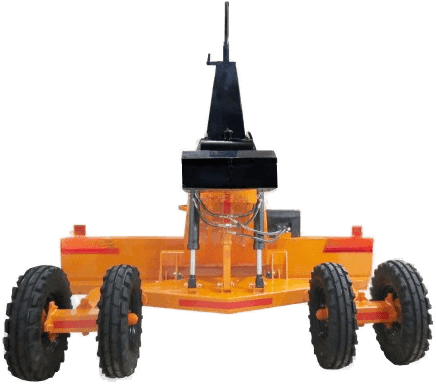
Laser Land Levellers
Laser land levellers are named directly in the official testing-charge schedule, in the same ₹2,17,502 line as seed drills and balers.
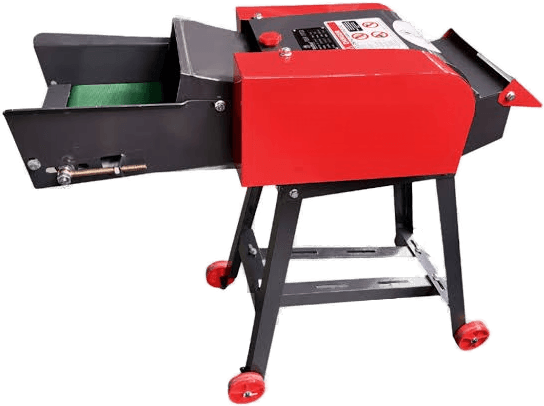
Chaff Cutters
Chaff cutters are named in the same official testing-charge line as power-operated threshers, shellers and winnowers — one of the mid-range implement rates.
How AgPro guides you through FMTTI
We don't operate the test rig — FMTTI's own engineers do. AgPro manages everything around it.
FMTTI Documentation & Filing
We prepare the technical drawings, operational manual and full product specifications FMTTI requires before it will even consider scheduling your machine — the single most common cause of delay we see.
Institute & Slot Coordination
We confirm which of the 4 FMTTI institutes is right for your machine, liaise with them directly, and coordinate a realistic test slot — institute capacity is limited and slots are often booked months ahead.
Test Process Guidance
The FMTTI process runs through the Agri-Machinery Portal across four roles — Manufacturer, Admin, Sub-Admin and Test Engineer — from application scrutiny to Draft and Final Test Report. We tell you exactly which stage you're at and what happens next.
Subsidy & Procurement Support
An FMTTI test report is only useful once it's correctly linked to the scheme or tender you're targeting — we handle that translation, for SMAM, RKVY, PKVY and Custom Hiring Centre subsidies.
Who we work with
Independent of any single manufacturer or institute.
From the FMTTI blog
Answers to the FMTTI questions manufacturers, dealers and buyers actually search for.
How to Pay FMTTI Testing Fees via Bharatkosh (NTRP)
A plain-English guide to paying FMTTI machinery testing charges online through bharatkosh.gov.in, including the e-receipt step and GST.
FMTTI Waiting List Rules & Testing Slots Explained
How FMTTI's waiting-list rules work — full fee upfront, no incomplete applications — and the throughput numbers behind how many slots open each year.
37 Years, 1,977 Machines: What One Institute's Own Numbers Say About FMTTI Waiting Times
SRFMTTI publishes its year-by-year testing target and actual output back to 1989-90. We read the whole run — here's what it tells you about planning a testing timeline.
Questions people ask us first
- FMTTI stands for Farm Machinery Training and Testing Institute — a network of 4 institutes under India's Ministry of Agriculture & Farmers Welfare that trains operators and tests agricultural machinery for performance, safety and compliance.
- It's mandatory whenever you need scheme/subsidy eligibility (SMAM, RKVY, PKVY, CHC) or a tender requires it. Outside those cases it's optional but often still the most credible proof of performance available.
- Government-set testing charges for FY 2025-26 range from ₹30,514 (components/hand tools) to ₹2,96,783 (self-propelled transplanters, ride-on tool bars), per the Ministry's official fee schedule — GST is charged separately.
Ready to start your FMTTI testing journey?
Tell us about your machine and your goal — subsidy, tender or plain confidence. We'll come back with the right institute and an honest read, free, no obligation.
- +91 92093 28498
- Offices
- Pune · New Delhi
- Response time
- One business day
Tell us about your machine.
We reply within one business day. Free, no-obligation guidance.